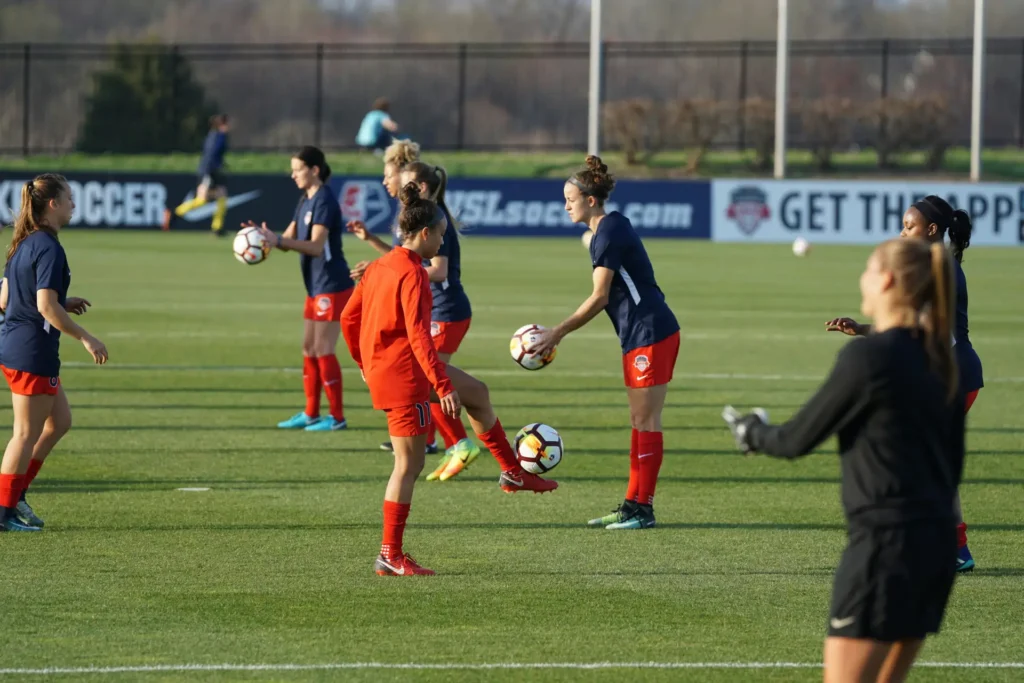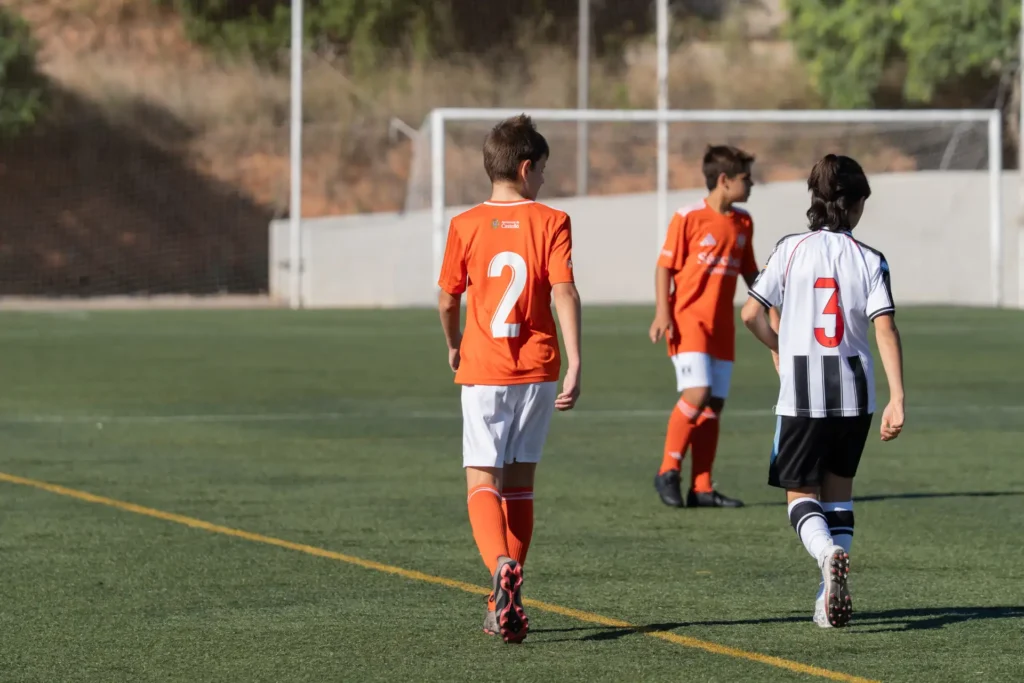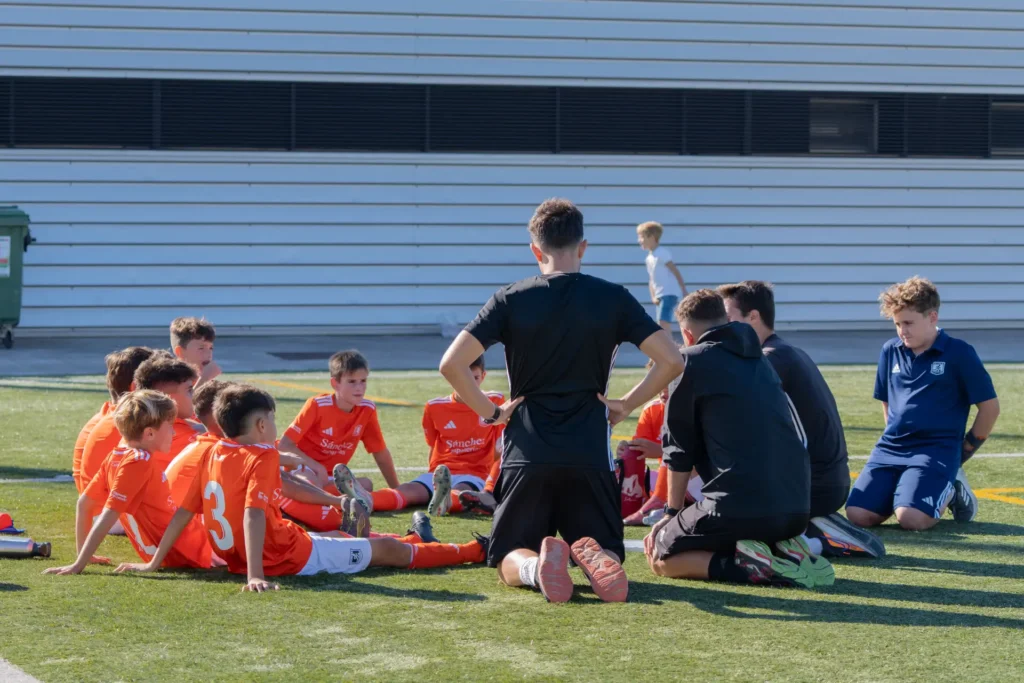
It’s Sunday evening. Your child’s team has just won another tournament. The group chat is full of trophy photos, the club has already posted the celebration, and everyone seems happy.
But in the back seat, your child is quiet. They played eight minutes all weekend.
The team won. The coach is pleased. The club has another trophy for its collection. But did your child actually get any better? And what about the other players who barely got on the field?
Now imagine a youth soccer club that measured success differently. Not by how many tournaments it won, but by how much its players improved over the season.
What would that club look like? And would it actually develop better players?
Why Do Youth Soccer Clubs Focus So Much on Winning?
Because winning is easy to measure. A tournament trophy looks great on Instagram. League rankings help attract families, and parents naturally want their children playing for successful teams.
Development is harder to see. You can’t easily photograph a player making better decisions, becoming more confident under pressure, or learning to recognize space before receiving the ball.
And that creates a problem.
When a club’s reputation depends heavily on results, coaches can feel pressure to select the strongest players, prioritize winning tactics, and avoid taking risks.
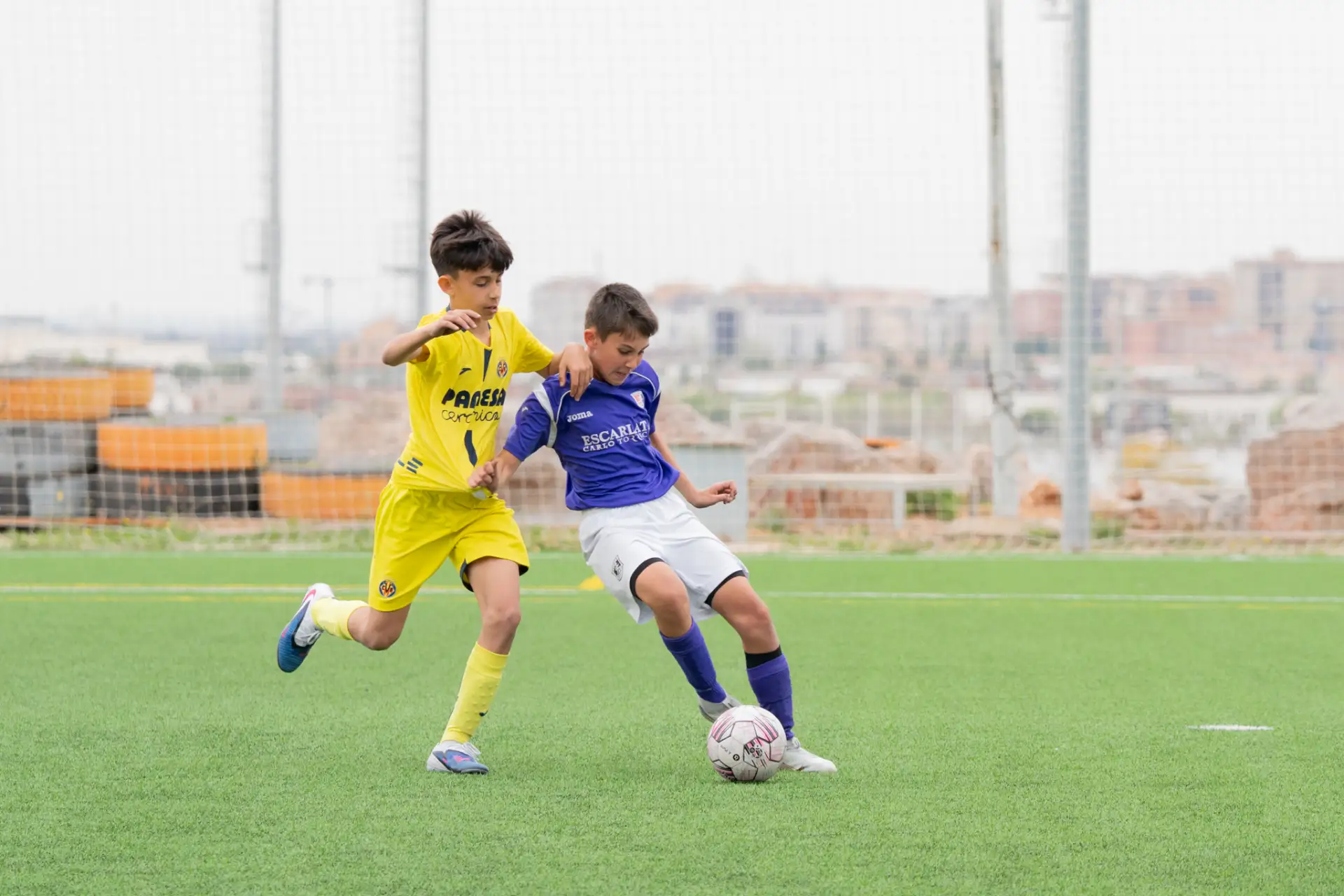
At younger ages, that might mean playing the biggest, fastest players every weekend while others spend much of the season watching.
But the decisions that help a team win at 11 aren’t necessarily the decisions that develop better players at 17.
What Happens When Winning Becomes More Important Than Development?
Think about a U12 team protecting a one-goal lead.
The coach tells everyone to stop taking chances. Defenders clear the ball long. Midfielders avoid risky passes. The strongest players stay on the field because the team needs to win.
It’s understandable. Nobody enjoys losing.
But what are the players learning?
A defender who never learns to play under pressure may struggle when opponents become faster and more organized. A midfielder who’s afraid to lose possession may stop attempting the passes that help develop creativity and decision-making.
And the player sitting on the bench isn’t getting the opportunity to learn how to handle those situations at all.
Over a season, those decisions add up. The same players get the important minutes, the same tactics are used to protect results, and opportunities to experiment, make mistakes, and improve become limited.
The problem isn’t wanting to win. It’s making decisions that help the team win today at the expense of developing players for tomorrow.
What Can We Learn From Other Football Development Systems?
Some football federations have already questioned whether youth results deserve so much attention.
In England, the Football Association introduced restrictions on publishing league tables and results for U7 through U11 football. The reasoning wasn’t that children should stop competing. It was that young players already want to win without adults making league positions the main measure of success.
The FA explained that its objective was to move away from a win-at-all-costs mentality that can undermine development and enjoyment.
U.S. Soccer’s Player Development Initiatives have similarly emphasized individual player development over results at younger ages.
And in Spain, youth development places considerable importance on technical ability, decision-making, and learning within the game. Players compete hard, but their development depends on what they’re learning throughout the week, not simply Saturday’s score.
None of this means winning is unimportant. Competition is essential to football.
The distinction is between teaching young players how to win and making winning the only measure of whether they’re improving.
What Would a Development-Focused Club Actually Measure?
Imagine receiving an end-of-season report about your child.
Instead of simply hearing that the team finished second in the league and won three tournaments, you learn how their game has changed since September.
Perhaps their first touch under pressure has improved. They’re scanning more frequently before receiving the ball. They’re beginning to recognize when to press and when to hold their position.
They’ve also become more confident, respond better to mistakes, and are learning to contribute in different positions.
Now imagine a club tracking that kind of progress across every team.
It could measure five things:
- Individual improvement: Are players developing technically, tactically, physically, and mentally throughout the season?
- Meaningful playing time: Are players getting enough opportunities to apply what they learn in training?
- Appropriate competition: Are players challenged at a level that helps them improve rather than simply dominate?
- Player retention: Are children enjoying football enough to continue playing?
- Long-term progression: Are players developing into stronger teams, higher competitive levels, or opportunities beyond the club?
Those measures aren’t perfect, and not everything can be reduced to a number.
But they tell a much more complete story than tournament results alone.
Would Players Actually Enjoy Soccer More?
There’s some interesting research here.
Researchers at George Washington University identified 81 factors that make youth sports enjoyable. Trying hard, being a good sport, and positive coaching ranked among the most important.
Winning ranked just 40th.
That’s worth considering when so much youth soccer revolves around weekend results.
Another study examining a development-focused coaching approach found that young athletes whose coaches emphasized effort and improvement experienced reductions in performance anxiety over a season. Players whose coaches hadn’t received the intervention reported increasing anxiety.
The study involved basketball players, but the lesson is relevant to youth soccer: the environment coaches create can influence how children experience competition.
Players still want to win. They simply also want to improve, contribute, enjoy their teammates, and feel that their effort matters.
And when those things come together, competition becomes part of development rather than something that works against it.
What Should Club Directors and Parents Be Asking?
For a club director, the question is straightforward: How do you know your players are better this year than they were last year?
If the answer is tournament results, you’re only seeing part of the picture.
A club genuinely focused on development should be able to explain how its coaches evaluate players, what improvement looks like at different ages, and how players are prepared for the next competitive level.
Parents should be asking similar questions.
Does my child receive specific feedback? Are they being challenged appropriately? Are they improving even when the team loses? Does the club have a plan for their development beyond the current season?
And perhaps most importantly, does my child still love playing?
A good club should welcome those conversations. They’re fundamental to understanding whether the environment is working.
What Will Matter Five Years From Now?
Think back to that Sunday evening and the tournament your child’s team just won.
Five years from now, nobody will remember the final score. The trophy may still be on a shelf, but the players will have moved on.
What will matter is whether they developed the skills, confidence, understanding, and love of the game to keep progressing.
Some will move into higher competitive levels. Others will continue playing because football remains something they genuinely enjoy. Both are meaningful outcomes.
Winning is part of soccer, and it should always matter to the players on the field. But it shouldn’t be the only way we judge whether a youth club is succeeding.
A trophy tells you how a team performed that weekend. Player development tells you what the club is building for the future.
And for parents investing years of time and money, or directors responsible for hundreds of young players, that’s a distinction worth understanding.
Find out where your game really stands with a Primer Toque CF International Player Assessment, training alongside established Spanish youth players and receiving honest feedback on your level and what comes next.